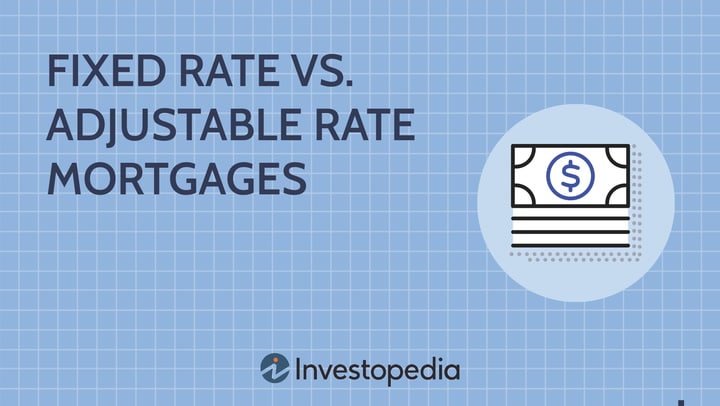
When shopping for a mortgage, one of the most important decisions homebuyers face is whether to choose a fixed-rate mortgage or an adjustable-rate mortgage (ARM). Each type of mortgage has its own unique set of advantages and disadvantages. Understanding these differences can help you make a more informed decision, ensuring you get the best mortgage loan rates for your needs.
In this article, we’ll compare fixed-rate mortgages with adjustable-rate mortgages, discuss the benefits and drawbacks of each, and help you determine which option is the best choice for your home loan refinancing strategy. By the end of this guide, you’ll have a clear understanding of both mortgage types, enabling you to make an informed decision for your mortgage loan.
Understanding Fixed-Rate Mortgages
A fixed-rate mortgage is one where the interest rate remains constant for the life of the loan. This means your monthly mortgage payment stays the same, regardless of fluctuations in the market interest rates. Fixed-rate mortgages are typically offered in 15, 20, or 30-year terms, with the 30-year term being the most common.
Advantages of Fixed-Rate Mortgages
- Stability and Predictability One of the biggest advantages of a fixed-rate mortgage is the stability it provides. Your monthly payment remains the same throughout the life of the loan, even if interest rates rise in the future. This predictability makes it easier to budget and plan for the future.
- Protection Against Market Fluctuations Fixed-rate mortgages shield you from market fluctuations. Even if the Federal Reserve raises interest rates, your mortgage rate stays locked in. This is particularly appealing if you plan to stay in your home for an extended period.
- Long-Term Security If you’re risk-averse and prefer long-term financial security, a fixed-rate mortgage is the best option. It ensures that your mortgage payment won’t change, providing a sense of financial stability for many years to come.
Disadvantages of Fixed-Rate Mortgages
- Higher Initial Rates Fixed-rate mortgages typically come with higher interest rates than adjustable-rate mortgages, especially in the early years of the loan. While you benefit from the rate stability, you might end up paying more in interest over the life of the loan compared to an ARM, particularly if interest rates drop.
- Less Flexibility Fixed-rate mortgages can be less flexible if you plan to move or refinance in the short term. If you move within a few years, you may not fully benefit from the stability provided by a fixed-rate loan.
Understanding Adjustable-Rate Mortgages (ARMs)
An adjustable-rate mortgage (ARM) is a home loan with an interest rate that can change periodically. ARMs typically start with a lower interest rate than fixed-rate mortgages, but after an initial period (such as 5, 7, or 10 years), the rate adjusts based on market conditions. The rate adjustments are usually tied to an index, such as the LIBOR or the Treasury index.
Advantages of ARMs
- Lower Initial Interest Rates One of the key benefits of ARMs is that they often offer lower initial interest rates than fixed-rate mortgages. This can be appealing for homebuyers who are looking to keep their initial payments lower, particularly if they plan to sell or refinance before the rate adjusts.
- Potential for Lower Payments in the Initial Years With an ARM, you may be able to save money during the early years of the loan because the interest rate is typically lower than that of a fixed-rate mortgage. For borrowers who plan to move or refinance within a few years, this can be a cost-saving option.
- Ability to Benefit from Falling Interest Rates If interest rates decrease after you take out an ARM, your mortgage payments could go down. This is beneficial if you plan to stay in your home long-term but are willing to take on some risk for the chance to take advantage of lower rates.
Disadvantages of ARMs
- Uncertainty After the Initial Period The biggest downside of an ARM is the uncertainty once the interest rate adjusts. After the initial fixed period (often 5, 7, or 10 years), your mortgage rate will be subject to market conditions. If interest rates rise, your payments can increase significantly, making it difficult to budget for the future.
- Payment Shock After the initial period, the rate on an ARM can increase sharply, leading to “payment shock.” This refers to a sudden increase in monthly payments, which can be a financial burden for homeowners who were relying on the lower initial payments.
- Complexity and Risk ARMs are more complex than fixed-rate mortgages, and they carry a higher level of risk. Homebuyers must understand how the interest rate adjusts, how often it changes, and what the maximum rate could be. Some ARMs have caps that limit how much the rate can increase, but others may not, leaving borrowers exposed to significant interest rate hikes.
Choosing Between Fixed and Adjustable-Rate Mortgages
The decision to choose a fixed-rate mortgage or an adjustable-rate mortgage depends on your financial situation, risk tolerance, and how long you plan to stay in your home. Here are a few factors to consider when making your choice:
1. How Long Do You Plan to Stay in the Home?
- Fixed-Rate Mortgage: If you plan to stay in your home for the long term, a fixed-rate mortgage may be the best option. With a fixed-rate mortgage, your payments will stay the same throughout the life of the loan, providing financial stability and predictability.
- Adjustable-Rate Mortgage: If you’re planning to move or refinance within a few years, an ARM could be a more cost-effective option. The lower initial interest rates can save you money in the short term, but you’ll need to be prepared for the possibility of higher payments after the initial period ends.
2. Do You Have a Low Risk Tolerance?
- Fixed-Rate Mortgage: If you are risk-averse and prefer the security of knowing your mortgage payments will never increase, a fixed-rate mortgage is the safer option. This is particularly appealing in times of rising interest rates.
- Adjustable-Rate Mortgage: If you are comfortable with some level of risk and are willing to accept the possibility of your interest rate increasing, an ARM may suit your needs, especially if you expect interest rates to remain stable or fall.
3. Can You Handle Potential Payment Increases?
- Fixed-Rate Mortgage: Fixed-rate mortgages are ideal if you want to avoid any surprises or payment increases in the future. You can lock in a stable, predictable monthly payment for the duration of the loan.
- Adjustable-Rate Mortgage: If you’re okay with the possibility of your payments increasing after the initial period, an ARM could offer savings in the early years. However, you must be prepared for the possibility of payment shock if interest rates rise significantly.
4. What Is Your Current Financial Situation?
- Fixed-Rate Mortgage: If you have a stable income and want to keep things simple, a fixed-rate mortgage may be the better choice. You won’t have to worry about your payments changing, which can make managing your finances easier.
- Adjustable-Rate Mortgage: If you are confident that you can handle potential rate increases or plan to refinance before the rate adjusts, an ARM could offer you lower initial payments and greater flexibility.
Conclusion: Which Is the Best Option for You?
Both fixed and adjustable-rate mortgages have their advantages and disadvantages. The best mortgage for you will depend on your personal financial situation, your long-term plans, and your tolerance for risk.
- Choose a fixed-rate mortgage if you value stability and want predictable payments throughout the life of the loan.
- Choose an adjustable-rate mortgage if you are looking for lower initial payments and plan to move or refinance before the rate adjusts.
Before making your decision, it’s important to carefully assess your financial goals, your ability to handle potential interest rate increases, and how long you plan to stay in your home. Consulting with a mortgage broker or financial advisor can also help you make the best choice for your specific needs.
Final Thoughts
Fixed-rate and adjustable-rate mortgages each have their place in the market, and the right option depends on your individual circumstances. By carefully considering the pros and cons of each, you can make an informed decision that aligns with your financial goals.